Deck Materials for Peoria IL: Pressure-Treated Wood vs Cedar vs Composite
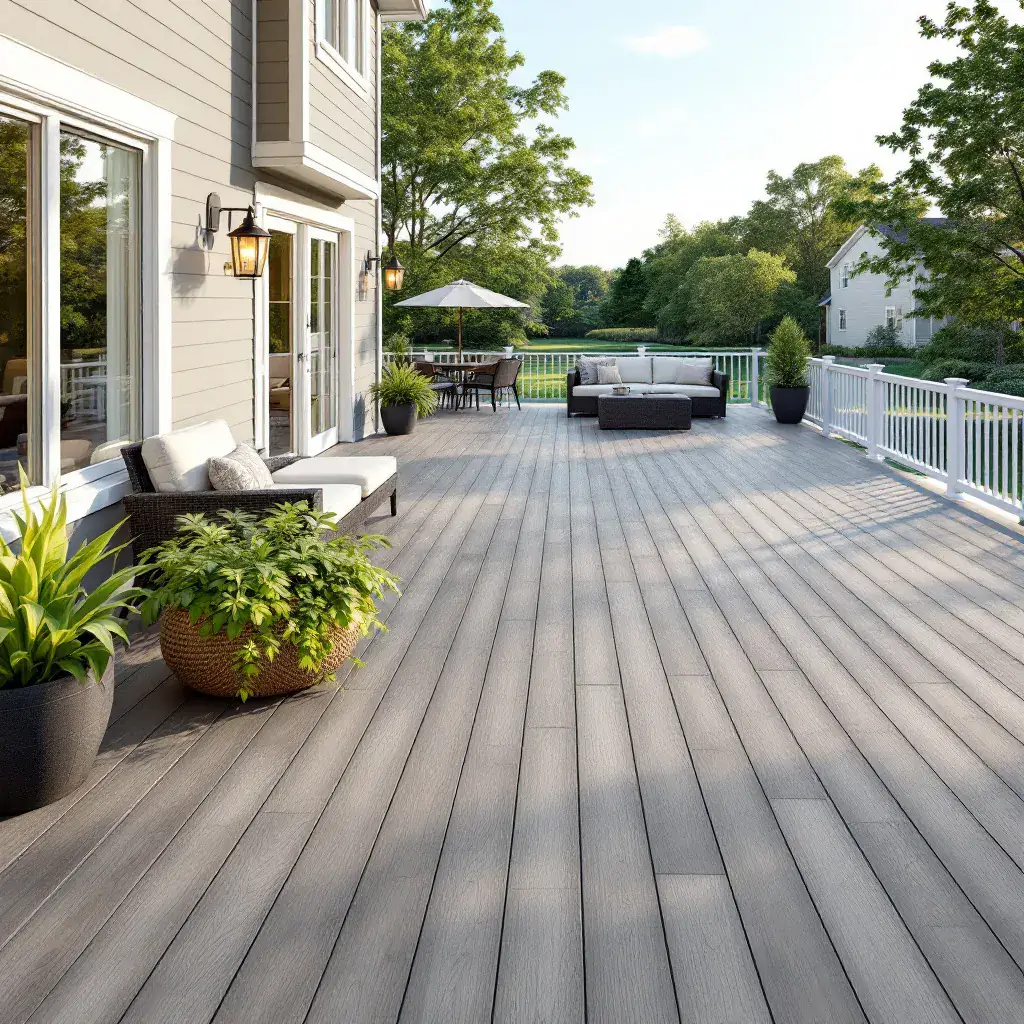
When you’re planning a new deck in Peoria, the material you choose affects not just the initial cost but maintenance, longevity, and performance through Central Illinois freeze-thaw cycles. Three materials dominate the Peoria market: pressure-treated lumber, cedar, and composite decking. Each performs differently in our climate, and each comes with distinct tradeoffs. Here’s what you need to know to make the right choice for your situation.
Pressure-Treated Lumber: The Budget Choice
Pressure-treated lumber (usually Southern pine or Douglas fir) is infused with chemical preservatives that resist rot and insect damage. It’s the most affordable deck material and remains the most common choice for homeowners across Central Illinois.
Cost: $3–$6 per linear foot of decking material. A 12×16 deck costs roughly $800–$1,400 in lumber alone.
Lifespan in Peoria: 15–20 years with proper maintenance. Without maintenance (no sealing, no winterization), the lifespan drops to 10–12 years. Freeze-thaw cycles accelerate failure.
Maintenance: Requires regular sealing or staining every 2–3 years to prevent water absorption. In Peoria’s climate, this means fall winterization prep is essential. Left unsealed, pressure-treated wood develops cupping, cracking, and surface rot within 3–5 years.
Pressure-treated lumber requires active maintenance. If you’re not committed to sealing every 2–3 years, this material will disappoint you.
Performance in Central Illinois winters: Vulnerable to freeze-thaw damage if not well-sealed. The wood absorbs water, which then expands and contracts with temperature swings. Snow and ice sitting on an unprotected pressure-treated deck accelerates damage.
Appearance: Starts out greenish (from the chemical preservatives) and gradually weathers to gray. Some homeowners like the natural aging look; others find it unattractive. Staining helps preserve color and adds protection.
Best for: Budget-conscious homeowners willing to commit to regular maintenance, or as a temporary deck solution while planning a permanent upgrade.
Cedar: The Traditional Premium Option
Cedar is a softer, aromatic wood naturally resistant to rot and insects. It’s been a deck staple in New England and the Midwest for generations because it looks beautiful and performs reasonably well in cold climates.
Cost: $8–$15 per linear foot of material. A 12×16 cedar deck runs $2,000–$3,600 in material alone (roughly 2-3x more than pressure-treated).
Lifespan in Peoria: 15–20 years with sealing, 8–12 years without. Cedar performs slightly better than pressure-treated in freeze-thaw cycles because it absorbs less water, but it still requires maintenance.
Maintenance: Must be sealed or stained annually, especially in the Peoria climate. Cedar is softer than pressure-treated and shows wear faster. Leaves it unfinished and you’ll see weathering in 6 months. The red color fades to gray, and the wood becomes splintered and rough.
Performance in Central Illinois winters: Better than pressure-treated in freeze-thaw resistance because cedar naturally resists water absorption. However, Peoria’s 20–30 freeze-thaw cycles per winter still cause damage if the protective sealant fails.
Appearance: Beautiful warm red color when new. Weathers to silvery gray if left unsealed. Many people prefer the aesthetic of cedar to pressure-treated, which justifies the cost premium.
Best for: Homeowners who want premium appearance and are willing to maintain the deck annually. Cedar is a good choice if you value curb appeal and plan to keep the deck for 15+ years with consistent care.
Composite Decking: The Modern Long-Term Investment
Composite decking is engineered from wood fiber and plastic resin, creating a material that combines the appearance of wood with the durability of plastic. Brands like Trex, Azek, and TimberTech dominate the market.
Cost: $12–$25 per linear foot of decking material, plus fasteners and hidden frame. A 12×16 deck runs $3,600–$8,000 for composite boards alone. Total installed cost often runs 40–60% more than pressure-treated but includes professional installation.
Lifespan in Peoria: 25–30 years, often with warranty coverage. Unlike wood, composite doesn’t rot, splinter, cup, or warp. Freeze-thaw cycles have virtually no impact.
Maintenance: Minimal. An annual hose-off to remove debris and algae. No sealing, staining, or refinishing required. You save $200–$400 per year in maintenance labor compared to pressure-treated wood.
Performance in Central Illinois winters: Exceptional. The polymer coating prevents water absorption entirely, so expansion and contraction don’t occur. Frost heave from shallow footings is still a risk, but the deck boards themselves are immune to freeze-thaw damage.
Appearance: Designed to look like wood but more consistent. Premium composites have color variations and grain textures that mimic cedar or tropical hardwoods. As the deck ages, it weathers gracefully without splintering or cupping.
Concerns: Composite can show algae or mold on north-facing or shaded sections (especially in humid Peoria summers). High-quality brands resist this better. Some older composites felt plasticky or slippery; modern versions are far more convincing.
Best for: Homeowners who want a deck that requires minimal maintenance over 25+ years and are willing to invest more upfront. Composite makes economic sense if you plan to stay in the home long-term or prioritize low maintenance.
Material Comparison Table
| Factor | Pressure-Treated | Cedar | Composite |
|---|---|---|---|
| Initial Cost (per sq ft) | $4–$8 | $10–$16 | $14–$22 |
| Lifespan | 15–20 years | 15–20 years | 25–30 years |
| Maintenance | Every 2–3 years | Every 1 year | Minimal (annual hose-off) |
| Freeze-Thaw Resistance | Moderate (requires sealing) | Good (requires sealing) | Excellent (no sealing needed) |
| Appearance | Gray (weathered) | Red fading to gray | Wood-like, weathers gracefully |
| Splinter Risk | High over time | High (softer wood) | None |
| Warranty | Typically none | Typically none | 10–30 years (varies by brand) |
Making the Decision: Which Material Is Right for Your Peoria Home?
Choose pressure-treated if: You’re building on a tight budget and don’t mind sealing the deck every 2–3 years. Expect to invest $200–$400 annually in maintenance after the first few years. Good for vacation homes or temporary decks.
Choose cedar if: You prioritize aesthetics and are committed to annual maintenance. Cedar looks more elegant than pressure-treated, but the ongoing cost of staining/sealing and the risk of splinters mean you’re essentially trading long-term maintenance hours for initial beauty. Better in drier climates; Peoria’s humidity works against it.
Choose composite if: You plan to stay in your home for 15+ years and want a deck you can virtually ignore. The higher upfront cost is offset by zero maintenance and exceptional durability in freeze-thaw cycles. Your time becomes more valuable than the material cost difference. Most Peoria homeowners who invest in composite report high satisfaction with the choice.
The Total Cost of Ownership Over 30 Years
A 12×16 deck built with each material, including professional installation and labor costs, looks like this:
- Pressure-treated: $4,500 initial + $300/year maintenance for 15 years (assuming replacement in year 16) = approximately $9,000 total for 30 years
- Cedar: $6,500 initial + $400/year maintenance = approximately $12,500 for 30 years (replacement in year 16)
- Composite: $8,500 initial + $0 maintenance for 30 years = $8,500 total
Over 30 years, composite is the most cost-effective option in Peoria despite the higher upfront cost. That calculation assumes composite lasts 30 years (typical) and pressure-treated requires replacement or major repair at year 15.
Peoria-Specific Considerations
Peoria’s climate has specific implications for deck materials. The region experiences:
- 20–30 freeze-thaw cycles per winter (hard on wood, irrelevant to composite)
- Moderate humidity (June–August especially) promoting algae growth
- Heavy snow and ice loads requiring strong frame support
- Shorter spring/fall window for staining or sealing (just a few weeks)
These factors heavily favor composite. While a well-maintained pressure-treated or cedar deck works, the active maintenance requirements are genuinely demanding in a Peoria context.
Our Recommendation
If budget is the only constraint, pressure-treated works fine with commitment to maintenance. If you want to minimize your ongoing work, composite is the superior choice despite the upfront cost. Cedar is rarely the best choice in Central Illinois because it costs more than pressure-treated but requires more maintenance than composite, landing it in an awkward middle ground. For most Peoria homeowners, the choice comes down to: spending time maintaining wood every year, or investing more upfront and enjoying the deck hands-off. We build all three, and we can help you evaluate the best option for your home. Contact us for a consultation to explore material options with a professional assessment of your specific situation.
Ready to Choose Your Deck Material?
Schedule a free consultation with our Peoria deck builder. We’ll review material options, show samples, and provide transparent pricing.
Call 309-220-9113 →