Winterize Your Deck: Protecting Against Peoria Freeze-Thaw Cycles
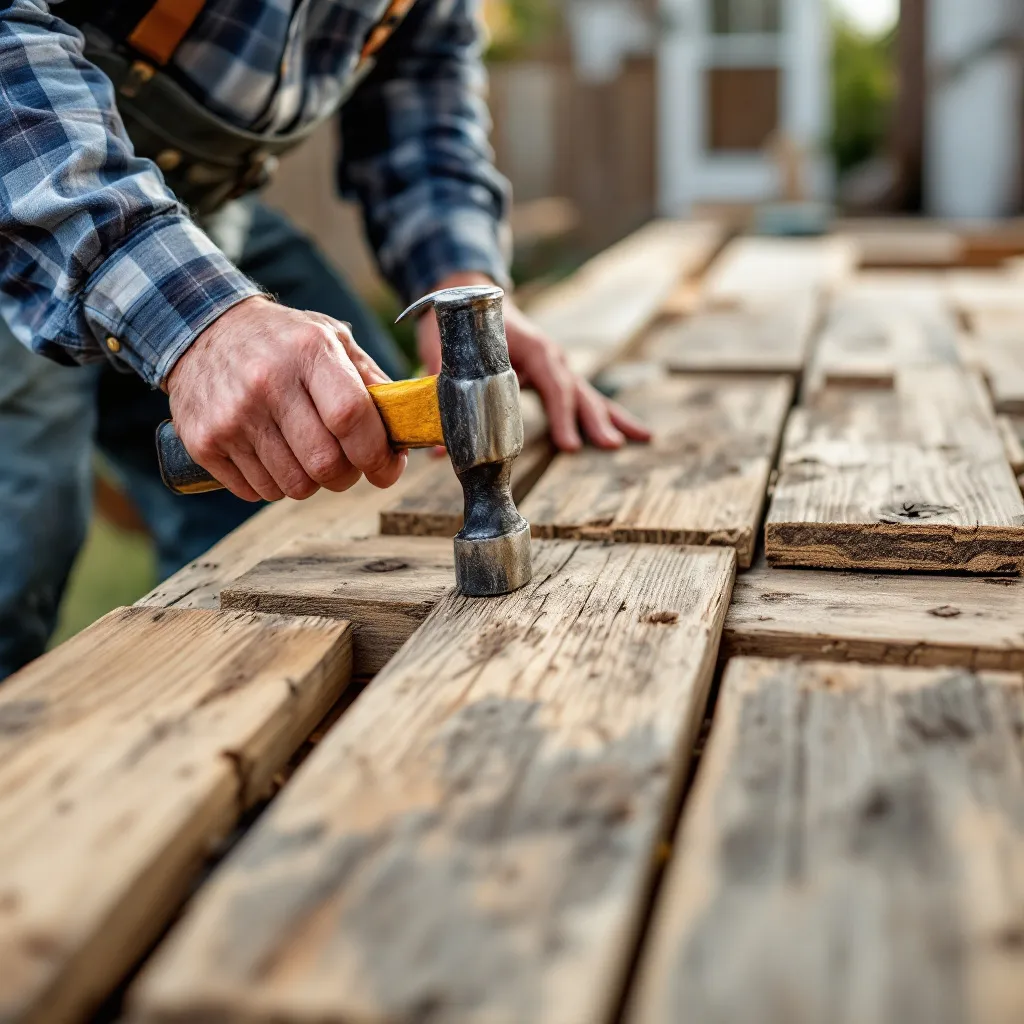
Peoria winters are tougher on decks than most homeowners realize. The real damage doesn’t come from the cold itself — it comes from freeze-thaw cycling. When outdoor temperatures climb above freezing during the day and drop below 32°F at night, water trapped in deck wood expands and contracts repeatedly. Over weeks and months, this cycle weakens boards, loosens fasteners, and causes cupping and cracking that can make a deck unsafe. Here’s what you need to know to protect your deck through Central Illinois winters.
Understanding Freeze-Thaw Damage in Peoria
Peoria typically experiences 20–30 freeze-thaw cycles each winter. That’s 20–30 times that moisture in wood fibers expands as it freezes, then contracts as it thaws. Even small amounts of water cause measurable damage over time. The problem accelerates on north-facing decks that stay in shade longer and retain moisture.
The visible signs appear gradually: surface cracks, raised grain, boards cupping at the edges, or railings that start to shift. By the time the damage is obvious, the structural integrity has usually been compromised. A neglected wood deck in Central Illinois typically begins showing serious freeze-thaw damage in year 3–4 without proper winterization.
Preventative winterization is dramatically cheaper than replacing damaged deck boards or fixing structural issues. A few hours of prep work in fall saves thousands in repairs.
Wood Deck Winterization: Step-by-Step
If you have a pressure-treated wood deck, winterization starts in early fall (late September or early October in Peoria). Don’t wait until November or December when the first cold snap hits.
- Inspect and clean: Pressure wash the deck surface to remove algae, dirt, and leaf debris that traps moisture. Use moderate pressure (2,000–2,500 PSI) to avoid driving water into the wood grain. Let the deck dry completely for 24–48 hours.
- Check for loose boards or fasteners: Walk the entire deck and listen for any movement or squeaking. Tighten fasteners or replace corroded nails with stainless steel screws.
- Seal or stain: Apply a water-repellent sealant or stain specifically rated for outdoor wood. The key is creating a barrier that prevents moisture infiltration. Reapply every 2–3 years on high-traffic areas; every 3–5 years on shaded areas.
- Address any gaps or cracks: Small cracks in the wood surface should be sealed with exterior caulk rated for wood. Don’t leave gaps where water can sit and freeze.
- Improve drainage: Ensure the area under your deck has proper drainage. Standing water or wet soil under the deck allows moisture to wick up into the frame and posts. Rake out leaves and debris regularly.
How Composite Decks Handle Peoria Winters Differently
Composite decking (engineered wood fiber wrapped in polymer) doesn’t suffer freeze-thaw damage the way solid wood does. The polymer coating prevents water from entering the wood fiber, so expansion and contraction doesn’t occur. Composite decks still require some winterization, but it’s much simpler.
- Clean in fall: Hose off debris and algae. No power washing needed (composite doesn’t splinter, but high pressure can force water into hidden seams).
- No sealing required: Composite decks come with a sealed surface. No staining or refinishing is necessary.
- Check fasteners: Like wood, composite boards can develop loose fasteners over time. Walk the deck and tighten any movement areas with stainless steel hardware.
- Clear gutters and drainage: Ensure water runs off properly. Composite handles moisture better than wood, but standing water still accelerates mold growth and discoloration.
Spring Deck Inspection Checklist for Peoria Homeowners
After winter ends, inspect your deck thoroughly before opening it up for the season. Look for these common freeze-thaw casualties:
- Cupping or warping on wood boards (edges higher than the center)
- Cracks running parallel to the wood grain (common on pressure-treated lumber)
- Loose or corroded fasteners
- Damage to railings or balusters
- Cracked or peeling stain/sealant on wood
- Mold or algae growth in shaded areas
- Unstable or shifting posts (may indicate frost heave damage to footings)
Minor issues like loose fasteners or surface cracks can be addressed quickly. Structural damage to posts, beams, or joists requires professional assessment. If your deck feels soft when you walk on it, or if railings move significantly, that’s a safety issue — don’t wait to have it inspected.
Frost Heave: The Hidden Winter Threat
Freeze-thaw damage isn’t limited to the deck surface. Frost heave affects deck posts and footings. When soil around a post freezes, it expands and can lift the post out of the ground by several inches. When it thaws in spring, the post settles back down — but not always in the same position. This movement stresses the connections and can eventually crack beams or cause railings to fail.
Prevent frost heave by ensuring deck footings are buried below the frost line (in Peoria, that’s approximately 36–40 inches deep). If your deck was built before you moved in, have a contractor verify footing depth. If footings are shallow, you’ll likely see post movement and instability during winter.
When to Call a Professional
Basic winterization — cleaning, sealing wood, checking fasteners — is something capable homeowners can handle. However, call a professional if you see:
- Significant structural damage (cracked beams, soft joists, failing posts)
- Severe board cupping or warping that affects safety
- Frost heave damage from shallow footings
- Sections of the deck that shift or move when you walk on them
- Extensive mold or rot (dark staining that feels soft to the touch)
A professional inspection takes an hour and costs $200–$300. Catching structural issues early is far cheaper than emergency repairs or deck replacement. Deck repair services in Peoria range from $500 for fastener replacement to $3,000–$8,000 for frame reinforcement.
Comparing Maintenance Across the Winter Season
Here’s the practical difference: A wood deck requires active winterization effort every fall and spring inspections to catch freeze-thaw damage early. A composite deck requires a clean and basic checkup — no sealing, no active damage prevention because the material itself resists freeze-thaw damage. Over a 15-year period, the labor and material cost difference is significant.
Your Action Plan for Fall 2026
If you have a wood deck, schedule winterization before October. If it’s been more than two years since you sealed or stained, treat this fall as a refresh. If your deck is over eight years old and hasn’t been consistently maintained, have a professional inspect it before winter arrives. For composite decks, a thorough fall cleaning is the main task.
Winterization isn’t glamorous, but it’s the difference between a deck that lasts 20 years and one that needs expensive repairs within a decade. Contact us for a winterization assessment or to discuss whether a composite deck replacement makes sense for your situation.
Ready to Winterize or Upgrade?
Get a professional assessment of your deck before winter arrives. We offer winterization guidance and composite deck installs for Peoria homeowners.
Call 309-220-9113 →