How Illinois Freeze-Thaw Cycles Damage Decks: Prevention & Repair Guide
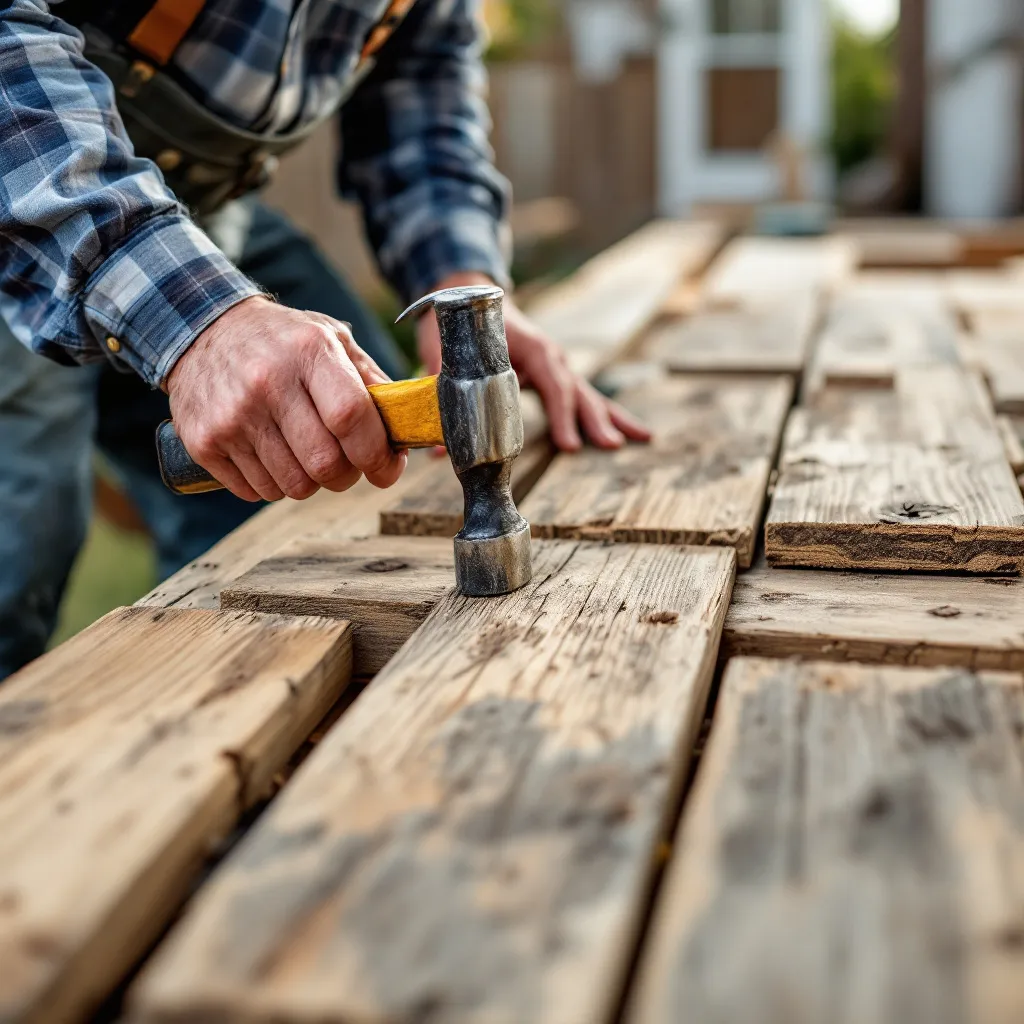
If you own a deck in Peoria, Tazewell, or anywhere in Central Illinois, you’ve experienced what our winters do to outdoor structures. The culprit isn’t just cold — it’s the constant cycling between freezing and thawing that shows up every season. Water gets into wood and composite, expands when it freezes, then contracts when it thaws. Repeat this 40-50 times per winter and you’ve got structural damage, warping, cracking, and rot that costs thousands to fix.
The freeze-thaw cycle is the #1 reason older Peoria-area decks fail prematurely. Understanding how it works and preventing it will add years to your deck’s life — and save you money on repairs.
Why Central Illinois Freeze-Thaw Cycles Are Particularly Harsh
Not all winter climates treat decks equally. Peoria sits in what deck builders call the “worst zone” for weather damage — we get frequent temperature swings, high humidity in spring and fall, and snow melt that pools on deck surfaces. The average Peoria winter sees 30-50 freeze-thaw cycles, sometimes more in our unpredictable March and April transitions.
Here’s what happens:
- December through February: Cold keeps everything frozen and relatively stable
- March-April: Thaw-freeze, thaw-freeze repeats. Warm days melt snow and saturate wood, then nights drop below freezing and expand everything
- Fall transitions: Same pattern in reverse — warm days followed by hard freezes trap moisture
Water that seeps into deck boards, fascia, and railings during these cycles expands roughly 9% when frozen. That expansion creates stress on fasteners, pushes boards apart, and opens cracks that let more water in next cycle. After a few winters, structural integrity is compromised.
Pressure-Treated Wood: The Most Vulnerable
Pressure-treated lumber is affordable and functional, but it’s more susceptible to freeze-thaw damage than composite. PT wood absorbs water readily — the treatment is designed to prevent rot, not to repel water. Moisture gets absorbed, freezes, and cracks the wood fibers. After 5-7 winters in a Peoria climate, PT decks show significant checking (surface cracks) and cupping (boards warping edge-up).
Signs of freeze-thaw damage on PT decks:
- Visible cracks running along the grain (checking)
- Boards cupped or warped — no longer flat
- Soft, spongy spots on boards indicating early rot
- Fasteners (nails, screws) pushing out as wood contracts and expands
- Splintering boards, especially on stair treads
Composite Decking: Better, But Not Immune
Composite materials (Trex, TimberTech, etc.) are significantly more resistant to freeze-thaw damage than wood. They don’t absorb water the way PT lumber does. However, they’re not invulnerable — water can still get into the grooves and around fasteners, and repeated freezing can cause minor expansion issues over many years.
With composite in a Peoria winter, you’re typically looking at 10-15+ years of good performance before any freeze-thaw related issues show up. With PT wood, you’re looking at 5-7 years before serious damage becomes visible.
The difference is why we recommend composite for customers planning to keep their deck long-term. Upfront cost is higher, but maintenance and repair costs are dramatically lower.
How to Prevent Freeze-Thaw Damage
1. Ensure Proper Drainage
Water pooling on deck surfaces accelerates freeze-thaw damage. Every deck board should slope slightly — typically 1/8 inch per 12 inches of run — to shed water. Check your deck:
- Does water pool after rain or snow melt?
- Are gutters or drains clogged around the deck area?
- Is the deck built close enough to house siding that it traps moisture?
If water sits on your deck surface, hire a contractor to assess if the deck was built with proper slope. Correcting this is usually feasible and worth the investment.
2. Seal Correctly — and Annually
Sealing PT wood is not optional in a Peoria climate. A quality deck sealant acts as a barrier against moisture absorption. Here’s what works:
- Semi-transparent stains: Allow some wood grain to show, penetrate the surface, and need resealing every 1-2 years ($800-1,500 for a typical 16x20 deck)
- Solid-color stains: Hide the wood grain, last longer (2-3 years), cost similar or slightly more
- Oil-based vs. water-based: Oil-based penetrates deeper and lasts longer but requires more drying time; water-based dries faster but doesn’t penetrate as well
Skipping sealing or waiting too long between applications is one of the most common reasons PT decks deteriorate quickly in Central Illinois. Plan on sealing every 18-24 months.
3. Manage Snow and Standing Water
After heavy snow or ice melt:
- Clear accumulated snow from the deck surface, especially in corners and against railings where water pools
- Use a soft-bristle broom — never a metal shovel that damages the wood surface
- Don’t use rock salt on deck surfaces — it accelerates rot and rust in fasteners
- Allow air circulation under the deck to prevent moisture from getting trapped
4. Install or Repair Under-Deck Protection
If water drains onto areas below your deck (patio, storage), an under-deck system (like DeckLite or similar) directs water away and creates usable space underneath. This also improves airflow under the deck, reducing moisture buildup. Cost: $3,000-6,000 for a typical 16x20 deck depending on what’s below.
5. Check and Replace Fasteners
Freeze-thaw cycles push nails and screws out of the wood as it expands and contracts. A contractor should inspect your deck annually and:
- Remove and replace protruding fasteners
- Replace rusted or corroded nails/screws with stainless steel equivalents
- Tighten bolts on railings and structural connections
What to Do If Your Deck Already Has Freeze-Thaw Damage
If your deck shows signs of damage, you have options depending on severity:
| Issue | Repair Approach | Cost Range (Peoria) |
|---|---|---|
| Minor checking & surface cracks | Sand, clean, re-seal | $600-$1,200 |
| Cupped or warped boards | Replace affected boards | $800-$2,500 |
| Soft spots / early rot | Replace sections, treat surrounding wood | $2,000-$6,000 |
| Structural damage (joists, posts) | Full structural repair or rebuild | $8,000+ |
Small cracks and checking are cosmetic and don’t require immediate repair, but they should be sealed to prevent water penetration. Soft spots or rot, however, are structural concerns and need professional assessment — rotted wood compromises safety.
Is Your Peoria Deck at Risk?
Freeze-thaw damage compounds every winter. If your deck is showing signs of checking, warping, or soft spots, don’t wait. A professional assessment now can save you thousands in repairs later. We’ll walk you through what you’re looking at and what needs to be done.
Get a Free InspectionLong-Term Strategy: Which Material Lasts Longest
Pressure-treated wood in a Peoria climate: 7-10 years with excellent maintenance (annual sealing), 4-6 years with average maintenance
Composite decking: 15-20+ years with minimal maintenance (occasional cleaning, no sealing required)
Cedar or other softwoods: 5-7 years, requires annual sealing, more prone to damage than PT if not maintained obsessively
If you’re building a new deck or replacing an old one, consider composite for freeze-thaw resistance. The higher upfront cost is offset by dramatically lower long-term maintenance and repair costs in Central Illinois. If you’re keeping a PT deck, commit to annual sealing and inspection — it’s the difference between a deck lasting 5 years and lasting 10.
Next Steps
Before next winter, take these steps:
- Walk your deck and note any cracks, warping, or soft spots
- Check drainage — does water pool or shed properly?
- If your deck hasn’t been sealed in 2+ years, schedule sealing before fall
- For structural concerns or major repairs, call us for a professional assessment
Peoria’s weather is tough on outdoor structures, but a well-maintained deck can last decades. The key is understanding what freeze-thaw does and staying ahead of it.